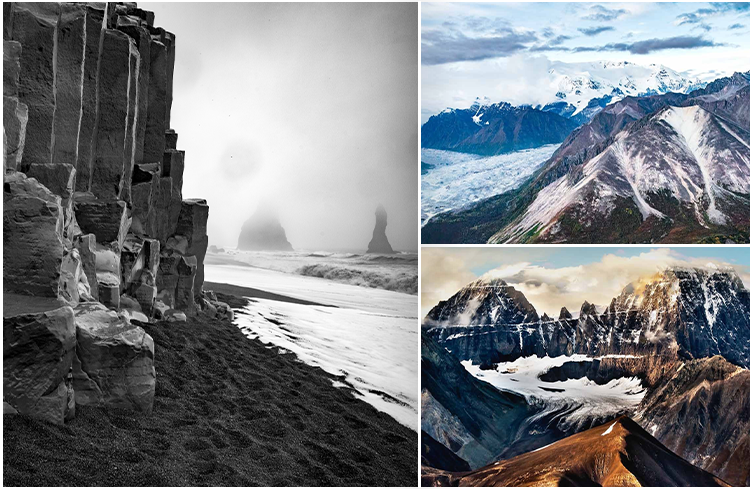
Art has been used for centuries to show how human life relates to nature, its beauty, its frailty, and the ways it changes. As glaciers melt, sea levels rise, and forests catch fire, artists continue using visual storytelling to make distant environmental shifts feel personal and immediate.
The Visual Expressiveness of Power
Art works as a tool for climate awareness because it reaches emotion before argument. A photograph, sculpture, or constructed image can bring viewers close to an issue that might otherwise remain abstract, statistical, or remote.
The Glacial Witness
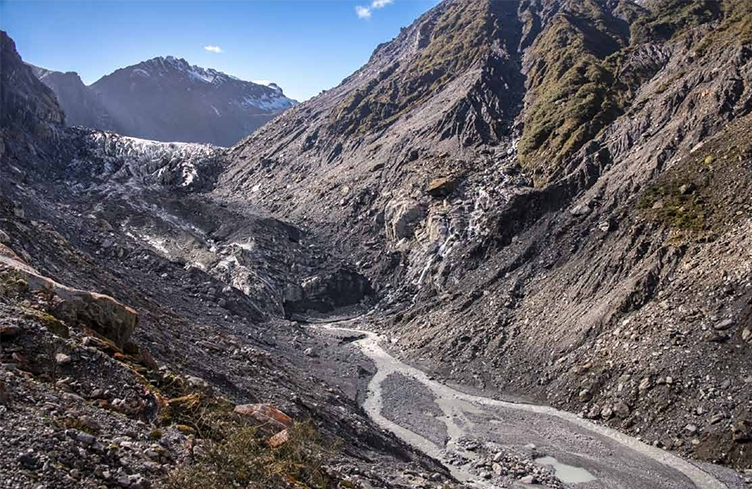
Photographers and artists have gone from Alaska to Iceland and from the Himalayas to Patagonia to document glaciers on the verge of disappearance. These works are not only records of landscape but also acts of witness that hold beauty and warning in the same frame.
Another Moment of Reflection: Eric Hatch
Eric Hatch is known for nature photography with a strong interest in climate change. His Glaciers in Retreat work translates glacial melt into a visual language that invites emotional response as well as reflection, and the photographs have been shown in venues including Dartmouth College and other exhibition spaces.
Art and the Language of Hope
Climate change is difficult to photograph in real time because it often unfolds over decades, yet artists can still reveal its direction and consequences. Through before-and-after views, interpretive compositions, and environmental studies, art can express both grief and the possibility of repair.
Artists can imagine what is happening outside the frame too: the drying of wetlands, the collapse of ice, the reshaping of vegetation, and the emergence of new ecological realities.
Emotion as Catalyst
Art compels response because it can turn awe into empathy, and empathy into attention. That is part of why visual work remains essential within environmental communication.
Conclusion
Climate change art speaks to both mind and heart. Through artists such as Eric Hatch, photography becomes a way to warn, remember, and perhaps help heal by making viewers confront the changing world in a personal way.