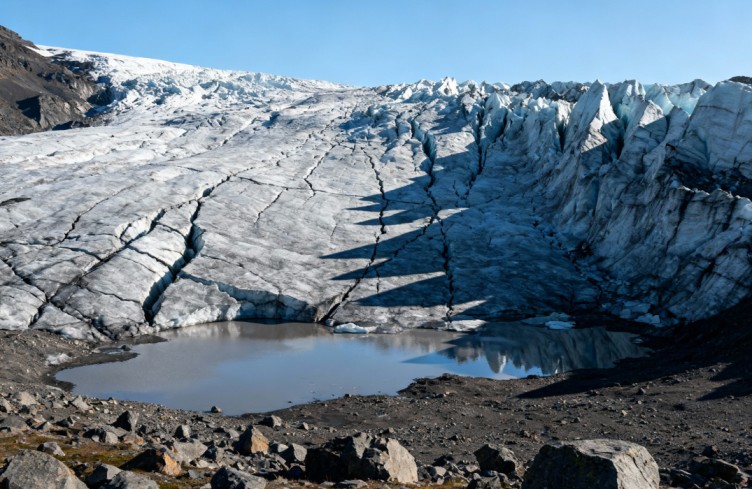
Melting glaciers around the world provide clear evidence of climate change and its pressure on freshwater systems, ecosystems, and human communities. These bodies of ice store water, regulate landscapes, and act as visible indicators of how quickly the planet is changing.
As glaciers shrink, the effects reach far beyond the ice itself. Regions that depend on meltwater for drinking supplies, agriculture, and hydroelectric production face increasing uncertainty, while unstable terrain and changing coastlines create new risks.
Understanding Glacial Retreat
Glacial retreat occurs when a glacier loses more mass through melting and sublimation than it gains from snowfall. While glaciers have always advanced and retreated across natural cycles, the current pace of change is strongly linked to human-driven warming.
Rising atmospheric and ocean temperatures have accelerated ice loss from Alaska and Iceland to the Alps and the Himalayas, making glaciers one of the clearest visual records of global heating.
Causes Behind the Retreat
- Greenhouse gas emissions continue to trap heat and raise air and water temperatures.
- Darker exposed land and water absorb more solar energy as ice retreats.
- Changing snowfall patterns reduce seasonal replenishment.
- Black carbon and soot reduce the reflectivity of ice surfaces.
Glacial Retreat Facts
Glacial retreat affects freshwater access, contributes to sea-level rise, and changes the habitats of alpine and northern wildlife. It also destabilizes slopes, increases the risk of flooding from glacial lakes, and reshapes the environmental stories that communities inherit.
Art and Photography: Emotional Truths of Glacial Loss
Science and satellite imagery help us measure glacial retreat, but photography and art provide the emotional dimension that makes those changes felt. Eric Hatch uses his camera to document northern landscapes and fragile ice environments in work that balances beauty, evidence, and urgency.
That balance matters. Photography can show scale, loss, and atmosphere in ways that help viewers connect data to lived consequence.
Conclusion: Facing a Melting Future
Glacial retreat is one of the most visible signs of accelerating climate disruption. It demands policy, scientific clarity, and public attention, but it also benefits from the interpretive power of art. Together, science and photography can help people understand not just what is happening, but why it matters.